

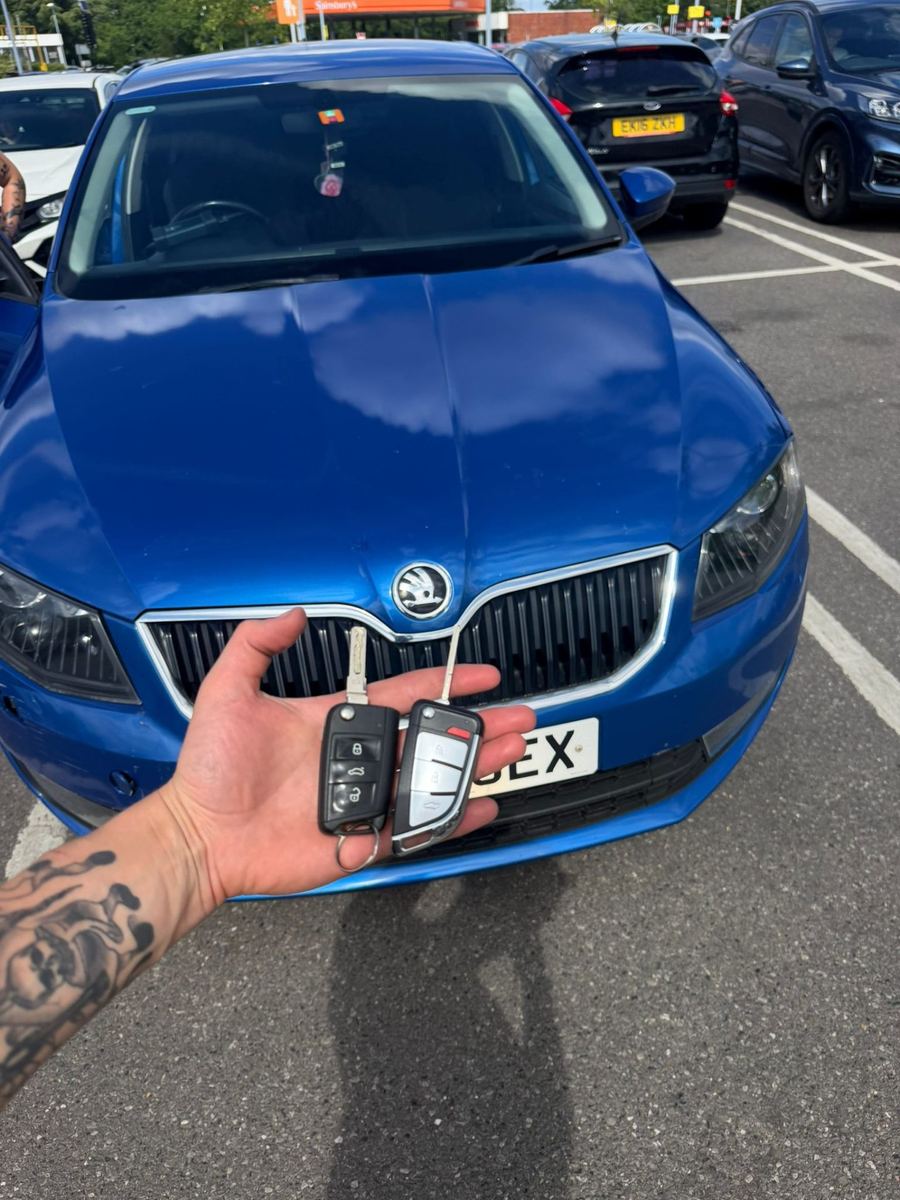


Skoda spare car keys: audit an existing reserve before ordering another
A key left in a drawer is not a dependable reserve merely because it came with the car. For a Skoda spare-key enquiry, begin by checking what you already possess and what is actually known about each item's functions. The right request might be assessment of an existing spare, repair of a damaged key or supply of another independent item. This guide focuses on making that decision without guessing compatibility from a model name, a production period or a familiar case. It does not confirm support for any particular vehicle. The provider must establish the actual specification and intended work before a proposal can be accepted.
Build an inventory based on known functions
List the key normally used, any item described as a spare and any separate blade or remote received with the car. For each, distinguish functions you have personally observed from claims made by a seller or previous owner. An empty housing and an untested fob should not inflate the number of usable keys in your account. Avoid opening cases to make the inventory appear more technical.
Note visible damage, missing parts and labels from earlier work if relevant. If an item has never worked during your ownership, say that plainly. This inventory helps frame the first decision: are you asking to verify an existing reserve or to add something new? It also prevents a provider from assuming there is a healthy working spare available when your only reliable key is the one used every day. Accuracy matters more than a reassuring headline count.
Explain why the reserve has become important now
Your reason may be shared use, a planned change in routine or concern that the primary key is deteriorating. State the reason without presenting it as a technical diagnosis. If an actual loss prompted the enquiry, separate that from a routine wish for backup. The whereabouts of an absent key can create questions that simply supplying another item does not answer.
Describe the functions the reserve must provide. A key intended for another regular driver may need the same agreed access and starting capabilities as the normal key, while a limited mechanical item has a narrower role. Do not let an existing item's appearance define the requirement by default. By explaining the use case, you give the provider a practical objective against which to assess the current reserve or propose another one. That is a stronger basis for choosing work than replacing everything automatically.
Check an existing item only through normal authorised use
If you can safely use the vehicle and understand its instructions, note the existing spare's behaviour during ordinary operation. Do not deliberately create a lockout or force an unfamiliar blade. Keep other keys from confusing the result where the vehicle's recognition arrangement makes that relevant. If you are unsure how to perform a meaningful check, ask for assessment instead of improvising one.
Treat remote locking, mechanical access and starting as distinct observations. A working button does not establish that every other function is present. If a warning appears, retain its wording and stop unnecessary attempts. The purpose is to provide useful evidence, not to prove a preferred conclusion. An old key may turn out to need repair, assessment or replacement, but a short observation should not be described as a complete technical verdict on its electronics or the vehicle's security system.
Need help with your car now?
A call-out fee applies; your quote confirms the full price.
Tell the provider about changes since the spare was last used
A reserve may have been stored while the primary key, locks or related vehicle systems received work. Give any known history that could affect how the unused item should now be assessed. Do not assume that because it worked before a repair it necessarily remains in the same state afterwards. Equally, do not assume a later failure proves the earlier work caused it.
Keep records of previous key supply, casing transfers or security-related work available through the agreed contact route. If the details are incomplete, identify the uncertainty rather than guessing the method used. A provider can then explain what needs checking for the present vehicle. This history is especially useful where the reserve and primary key look different or where a previous owner supplied an additional fob without an explanation. The enquiry should start from the car's current situation, not an assumed original specification.
Choose repair or supply according to the finding
If the existing reserve has a damaged exterior but known working functions, ask what a repair would retain and what it would replace. If it has never been recognised by the car, ask what assessment is needed before discussing preparation. If no usable reserve exists, describe the request as an addition. These are different scopes even when the finished items might look similar.
Ask the provider to explain why the proposed route meets your objective. A case repair can protect existing components without increasing the number of independent keys, while a new supplied item needs its own confirmed specification and checks. Do not assume that the most extensive proposal is automatically necessary, or that the least extensive one addresses an unresolved electronic complaint. An informed choice comes from understanding the finding, intended outcome and limits of each proposed task before approving the work.
Avoid treating the brand name as a compatibility check
Skoda vehicles should not be treated as one universal key system. Provide the actual vehicle details requested and allow the provider to confirm whether the particular task can be accepted. A familiar badge, an identical-looking case or a broad online parts description does not establish suitability. This guide therefore offers a decision process rather than a list of supported models or production periods.
If you already bought a fob, disclose its origin and preparation history. Ask whether it can be assessed before assuming a programming-only request will be accepted. Keep mechanical and electronic requirements within the same specification discussion so an apparently suitable remote does not leave a missing access provision unnoticed. Where confirmation requires further inspection, agree that step explicitly. It is better to leave a question open for proper assessment than to turn a general brand description into a promise about your particular car.
Need help with your car now?
A call-out fee applies; your quote confirms the full price.
Prepare the keys, vehicle and legitimate instruction together
Ask which existing items must attend, including an untested reserve that is the subject of the enquiry. Confirm the ownership and identity evidence required and who is authorised to approve the work. If the vehicle is shared, tell other users that their keys may need to be available; do not assume their continued operation without discussing the proposed process.
Give the current vehicle location privately and explain access restrictions. Keep any warning photographs, previous work descriptions and purchased-item details available where relevant. If the normal key becomes unreliable or disappears before attendance, update the provider because the original spare-key scope may no longer fit. Good preparation is not simply having a fob ready to hand over. It means making the actual car, relevant history and authorised decision-maker available so the assessment can address the request that now exists.
Leave with a reserve whose status is clear
Ask for the completed item's agreed functions to be demonstrated independently. Confirm the status of the primary key and any other retained item, rather than assuming that every case on the table is now a complete spare. If an old item was assessed but not made usable, record it that way. If a key intentionally has limited functions, explain those limits to anyone who may need to use it.
Store the dependable reserve securely away from the primary key and follow the handbook for care and normal operation. Keep the work record with the vehicle history, not attached to the key. Revisit the inventory after later repairs or changes in who holds access. The result you want is not a larger collection of similar objects; it is a clear understanding of which keys can be relied on, what each does and which uncertainty still requires attention.