
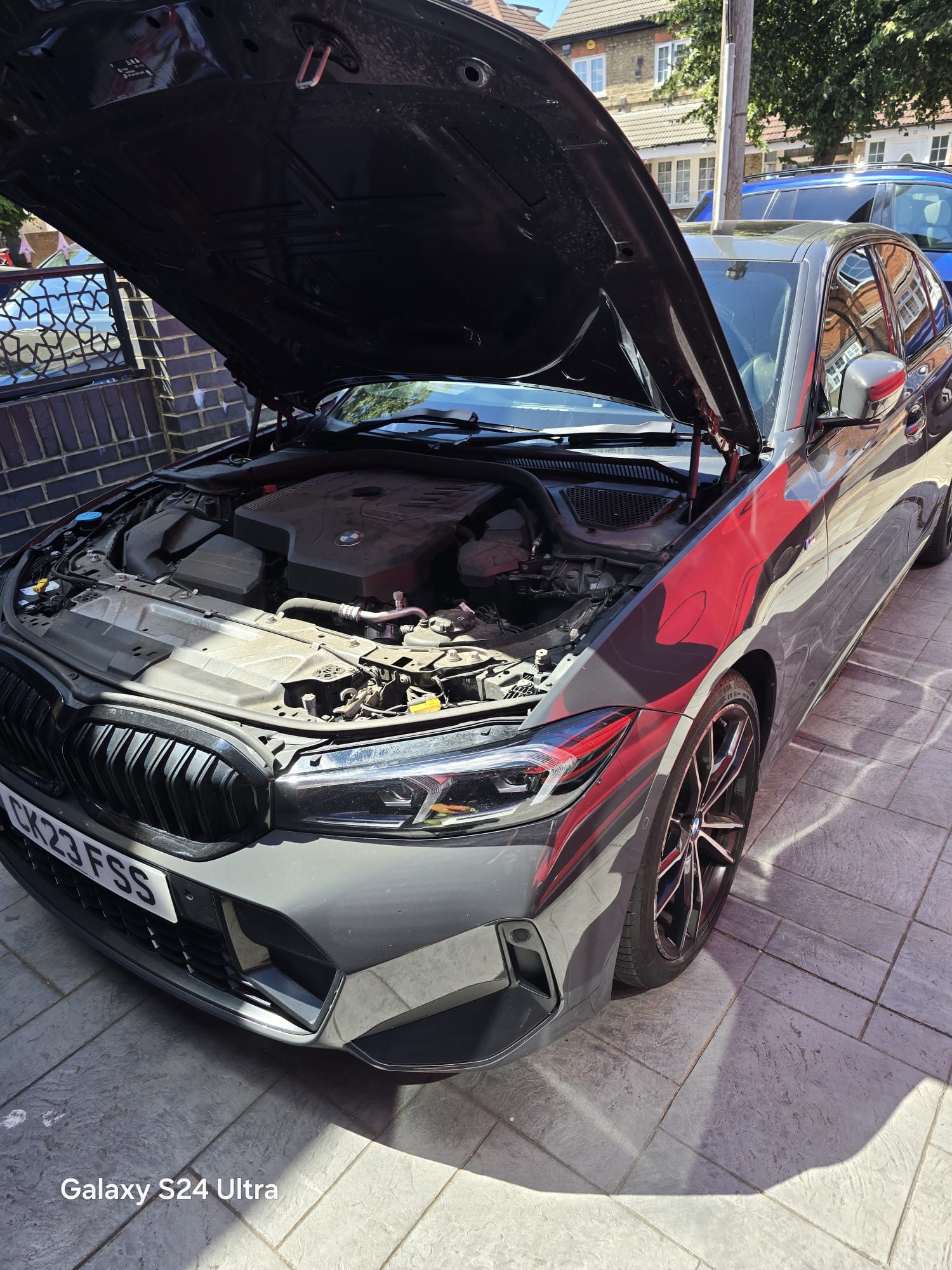
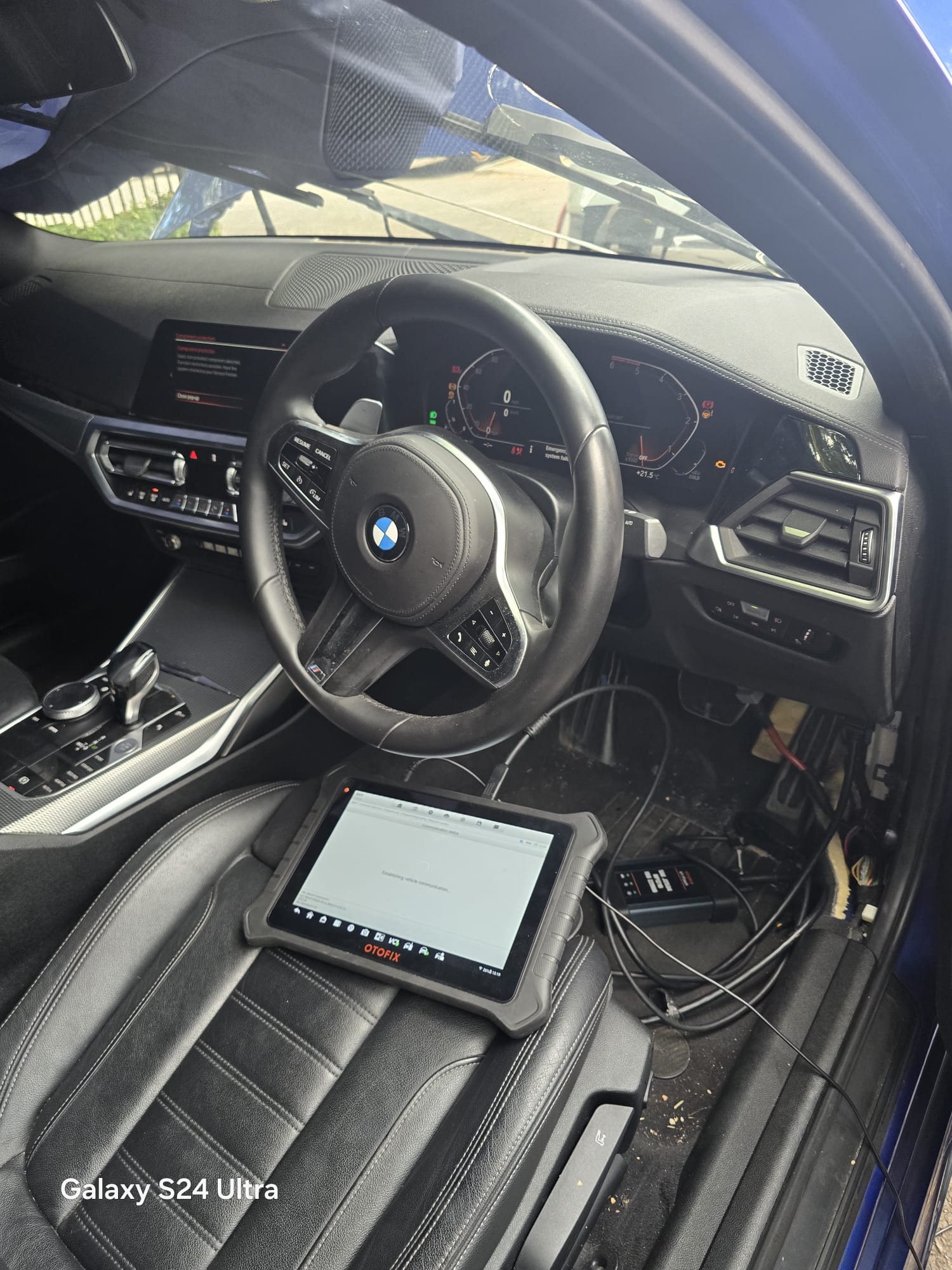
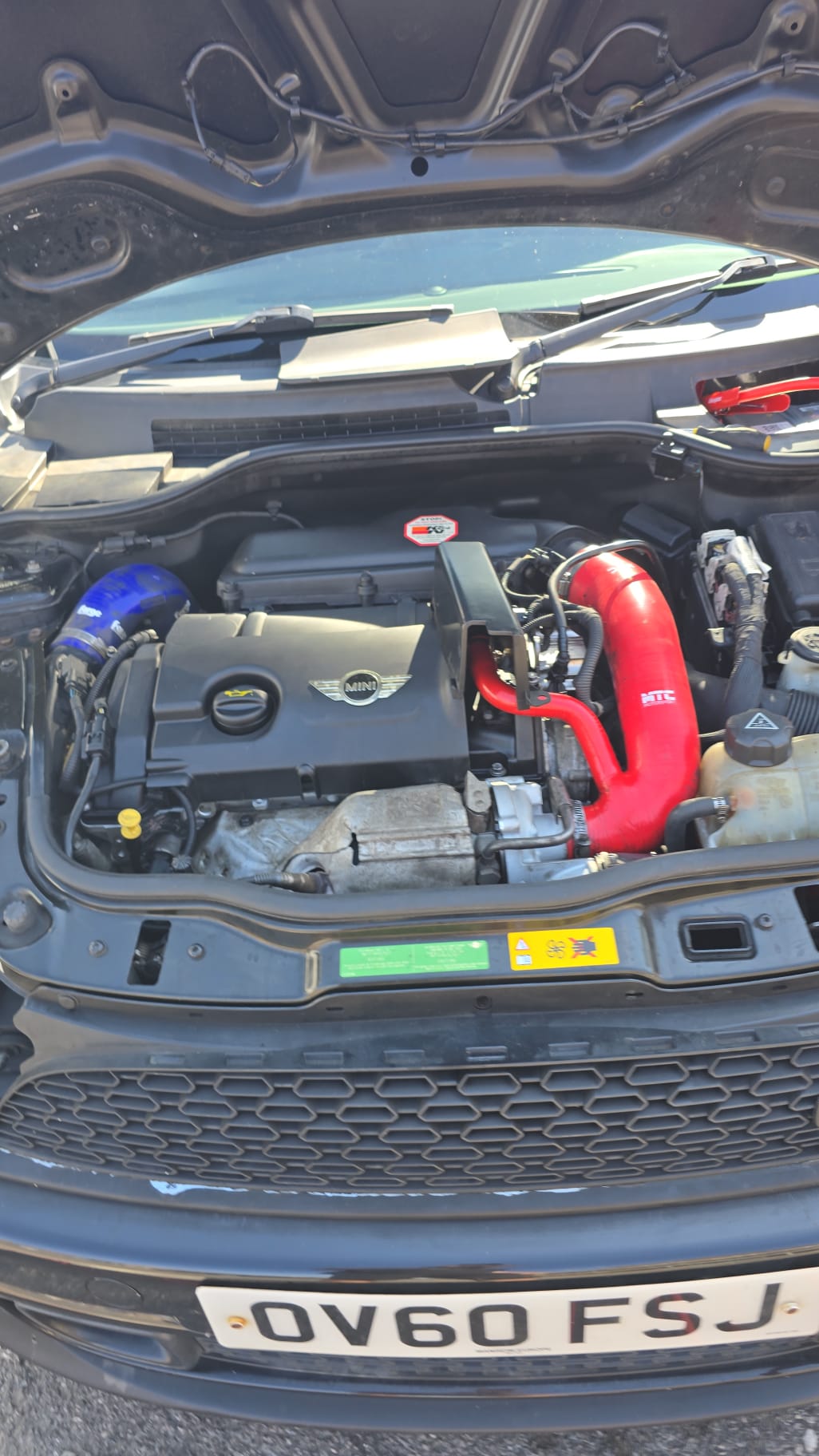
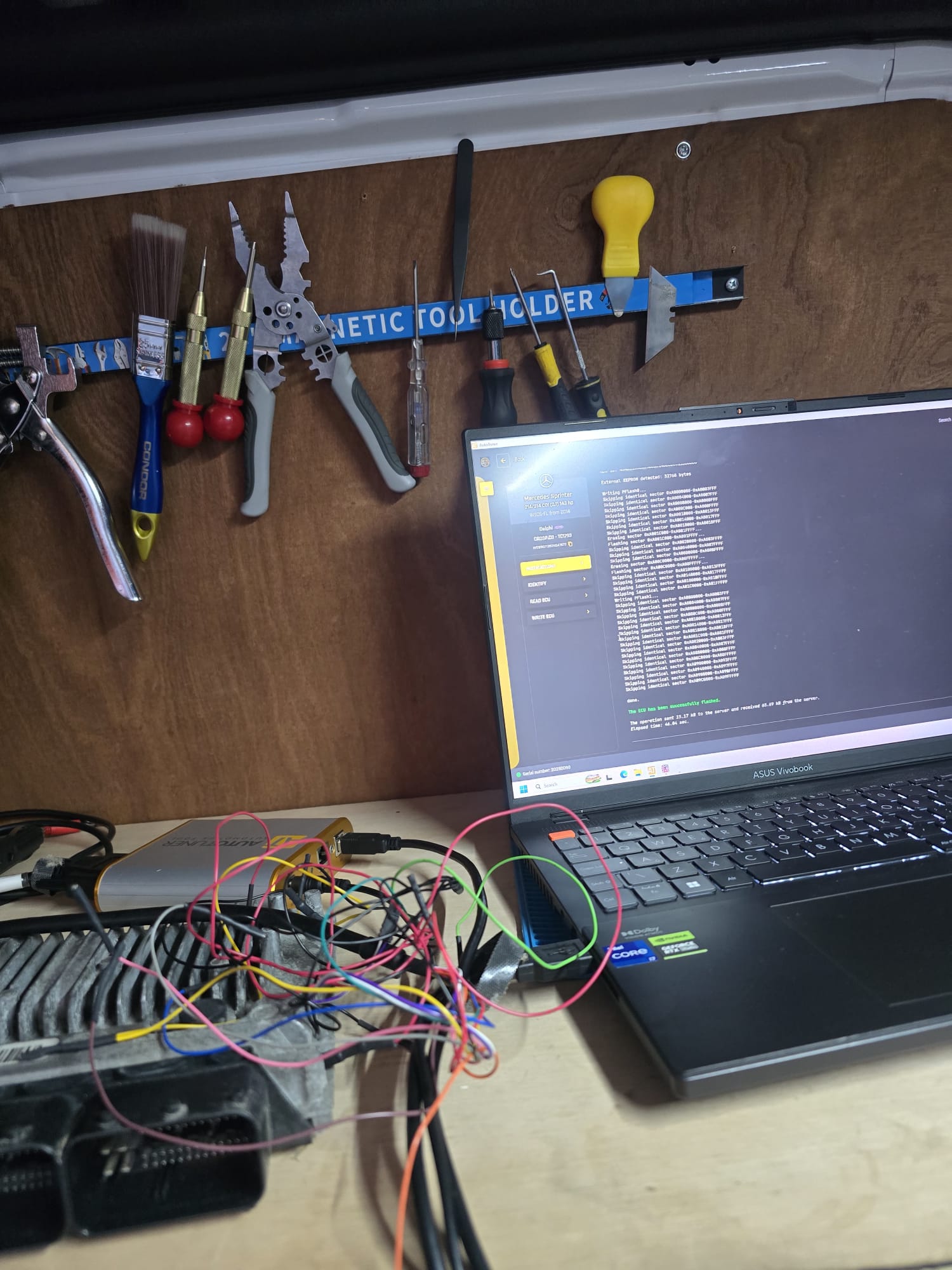
What ECU Remapping Actually Changes Inside Your Engine
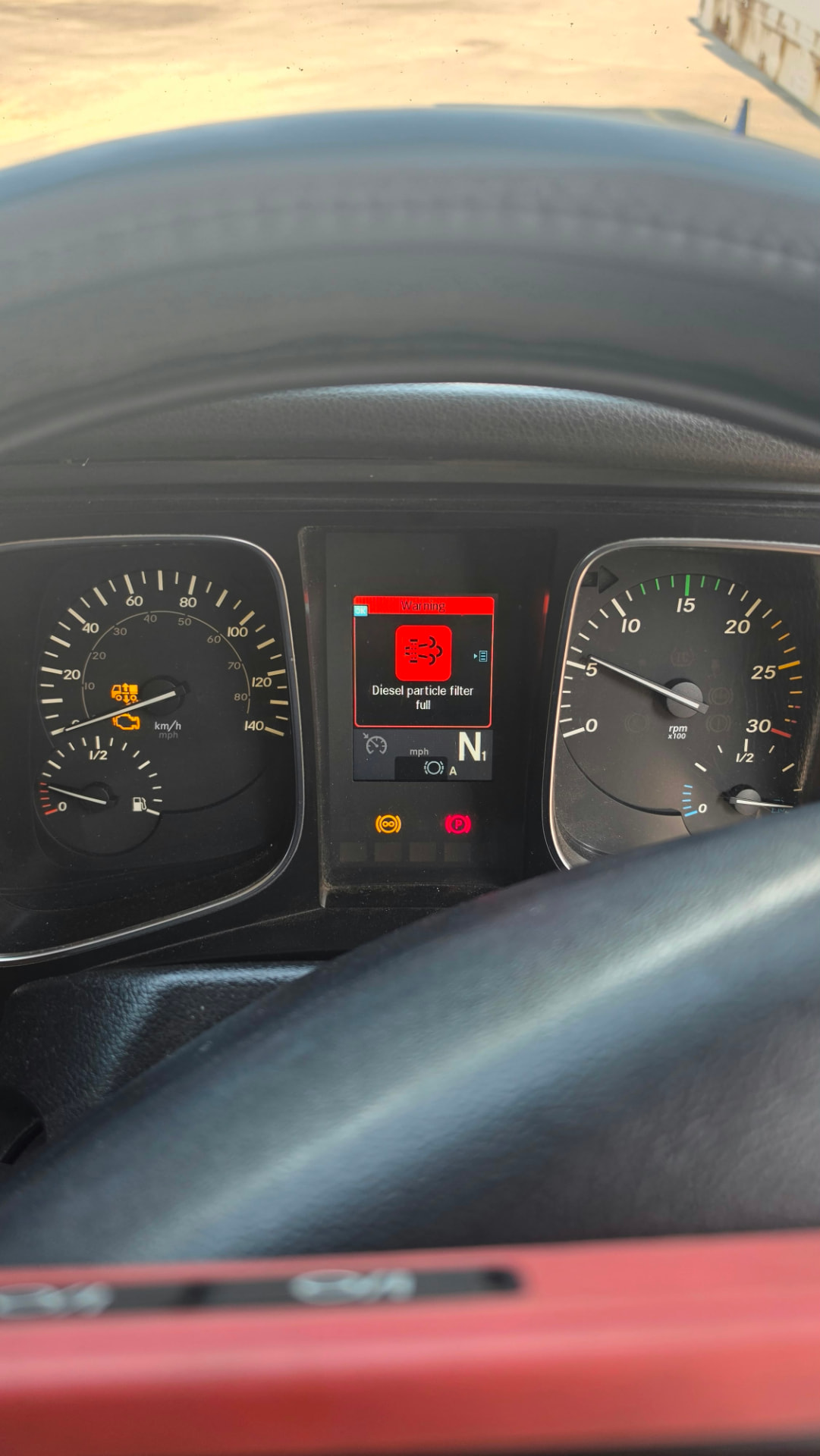
Every modern petrol, diesel and hybrid vehicle is controlled by an Engine Control Unit — the ECU — and a Transmission Control Unit (TCU) on automatics. These are small computers running calibration tables (commonly called 'maps') that decide, thousands of times per second, how much fuel to inject, how much boost to ask of the turbo, when to fire the spark, how aggressively to shift gear and how to manage emissions hardware like EGR valves, diesel particulate filters and AdBlue SCR systems. From the factory those tables are deliberately conservative. Manufacturers have to sell the same engine across 80+ countries with different fuel quality, altitude, ambient temperature, emissions law and service intervals — so they leave huge headroom in the calibration.
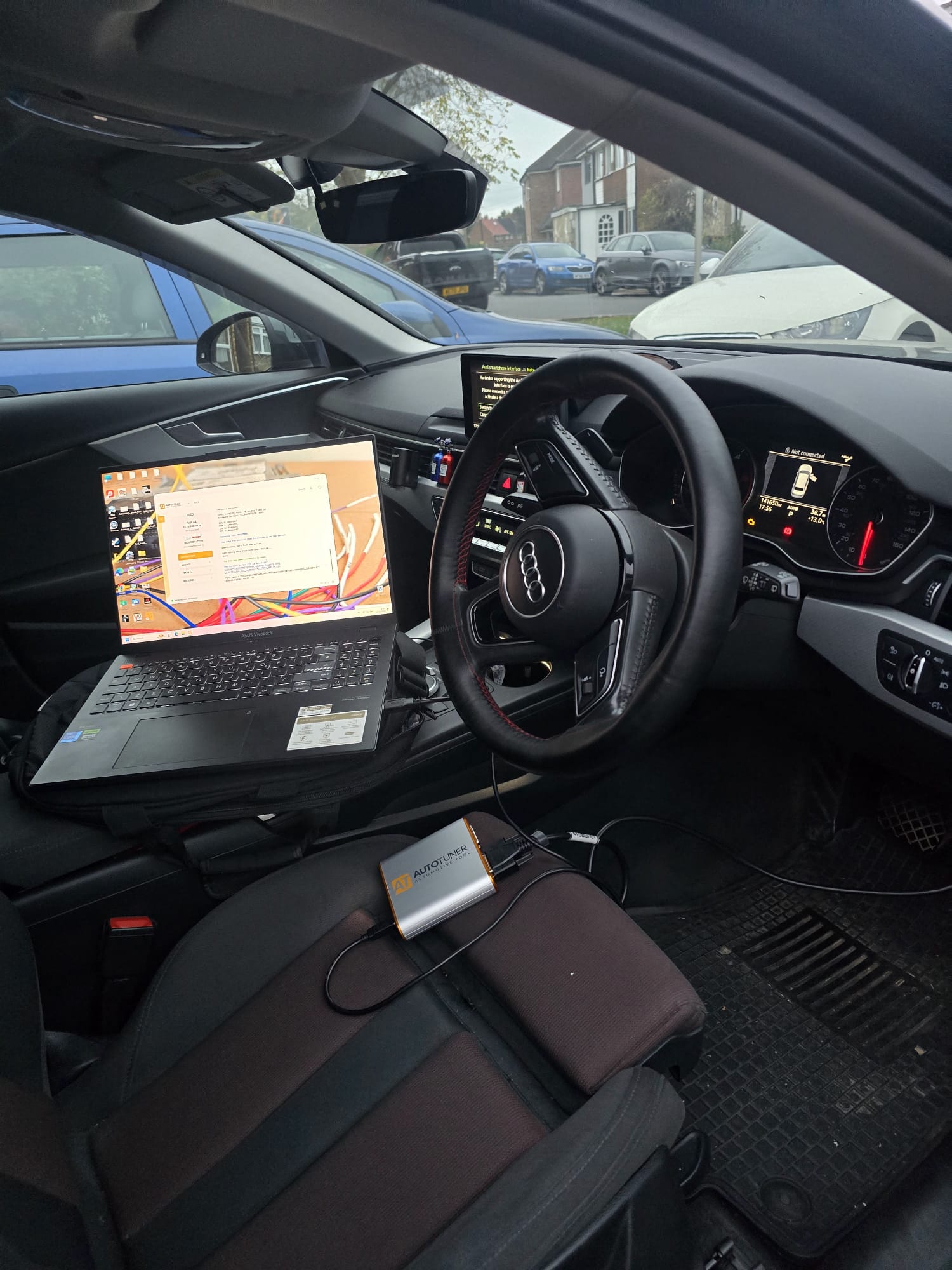
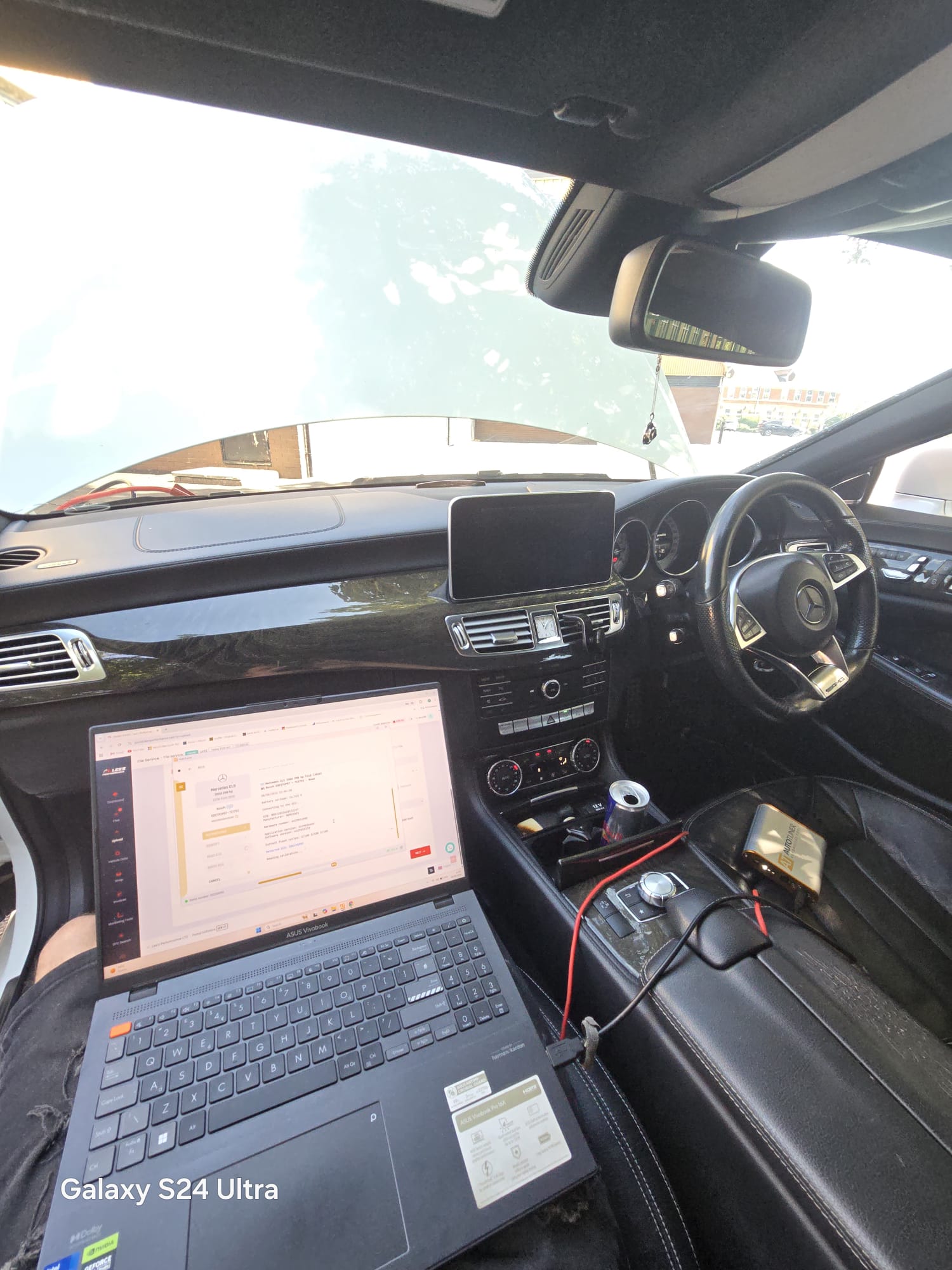
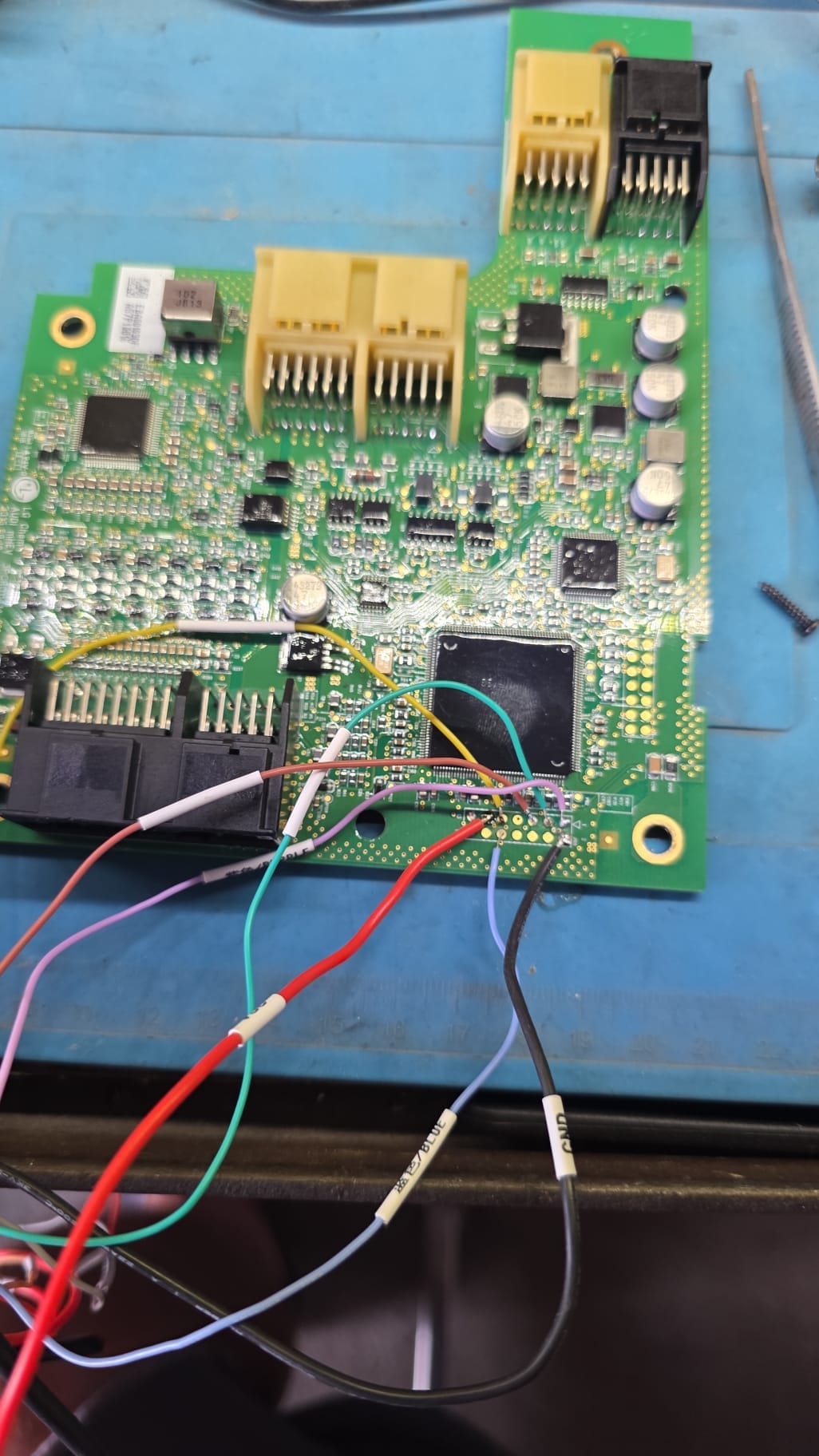
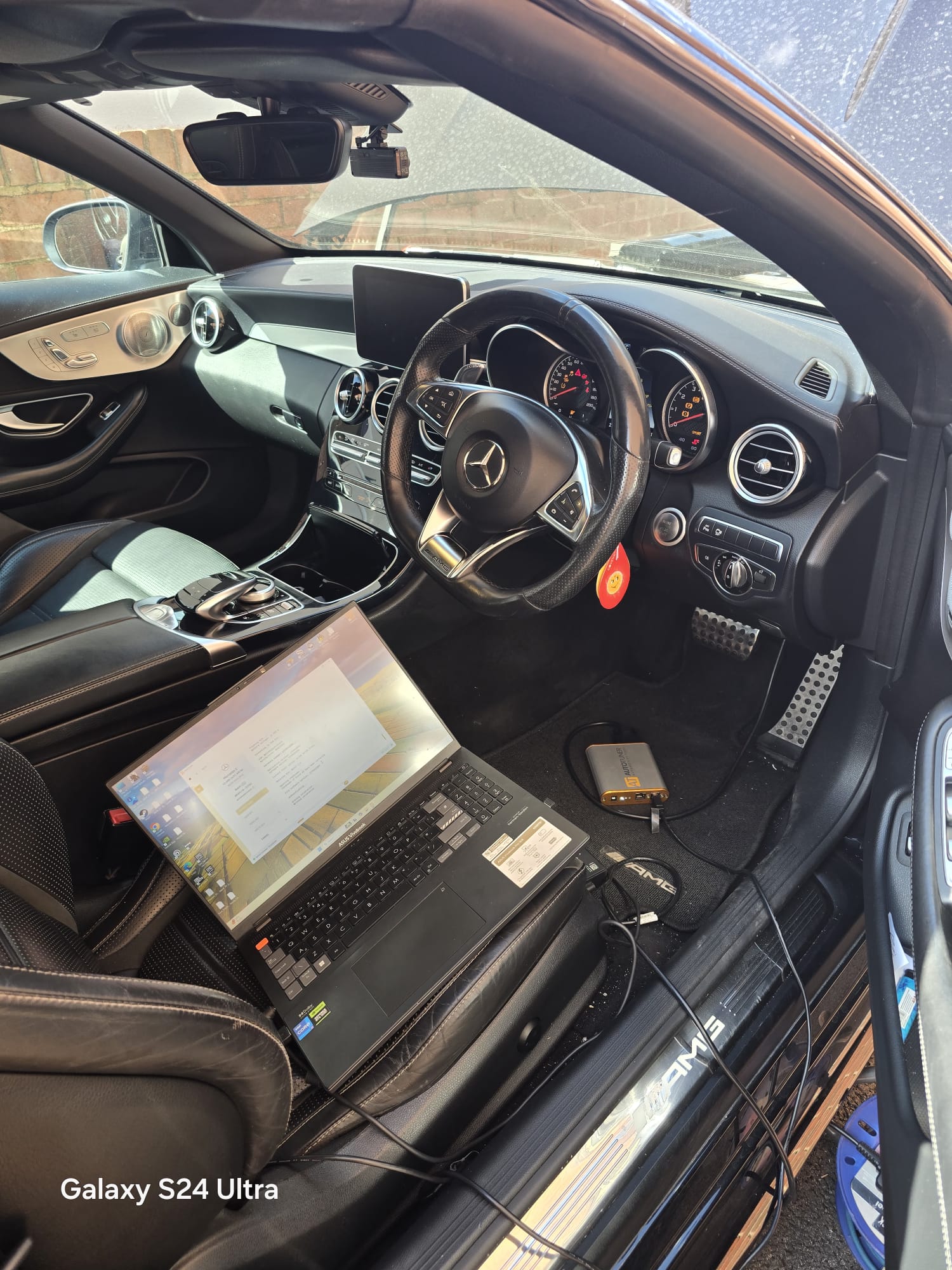
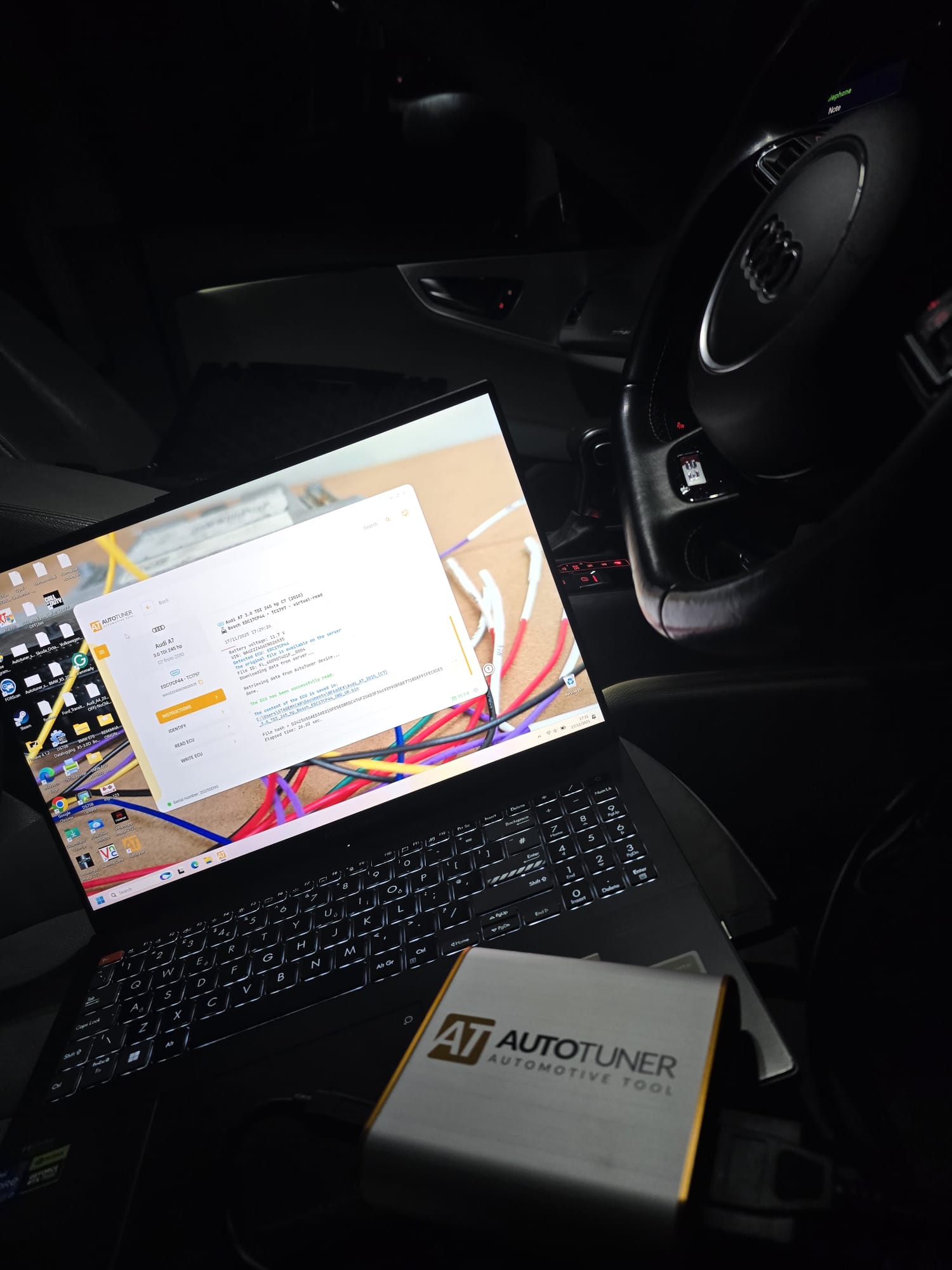
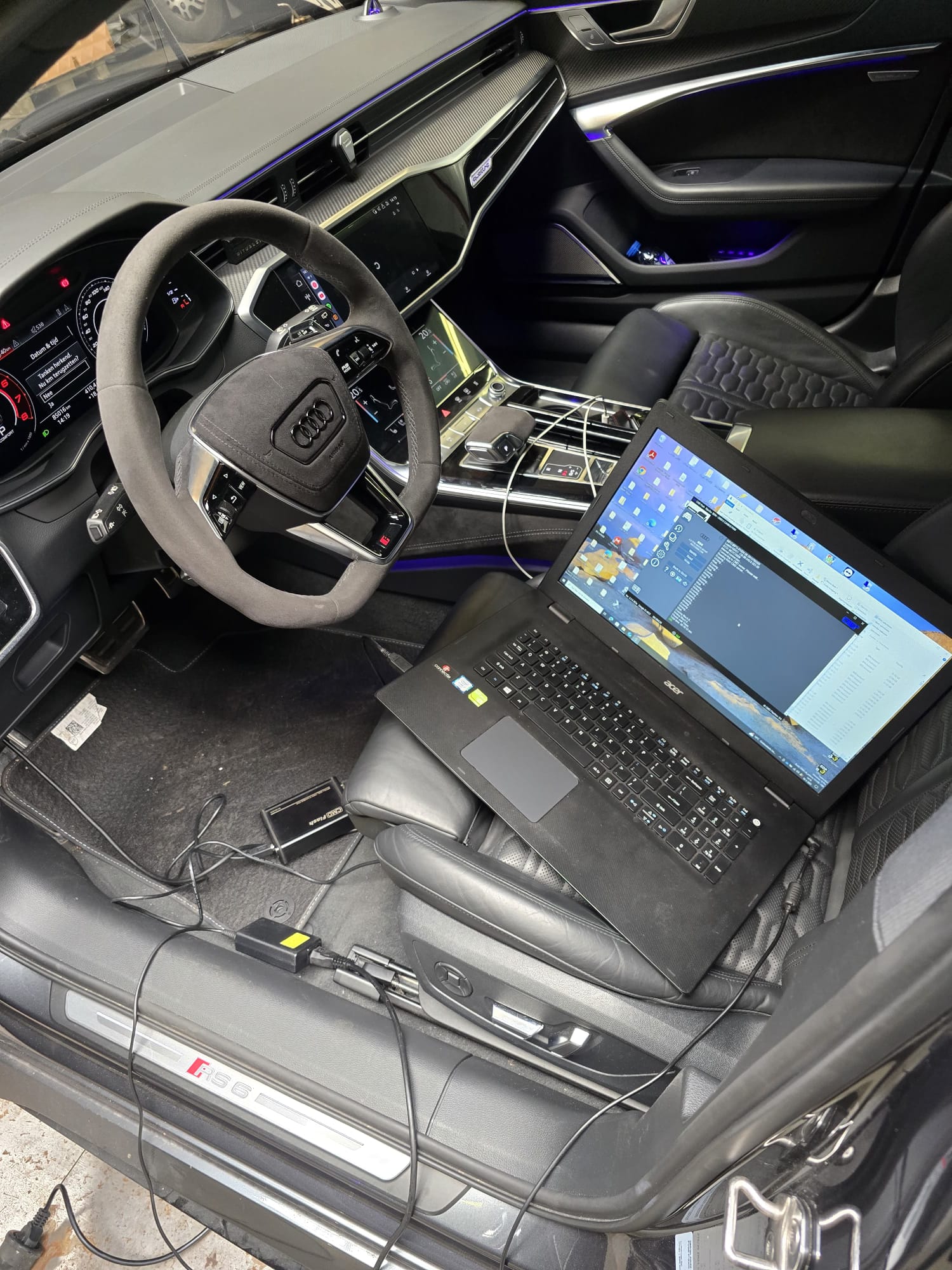
ECU remapping is the process of reading that factory file from the car, rewriting the calibration tables for UK fuel quality and your specific driving conditions, and flashing the new map back onto the ECU. Done properly the same physical engine produces dramatically more power and torque, sharper throttle response, smoother gear changes and — counter-intuitively — better real-world fuel economy on a light right foot. Done badly it produces warranty-voiding hardware damage. The difference is the quality of the calibration, the equipment used to write it and the protections built into the file (EGT limits, torque ceilings, fuelling caps).
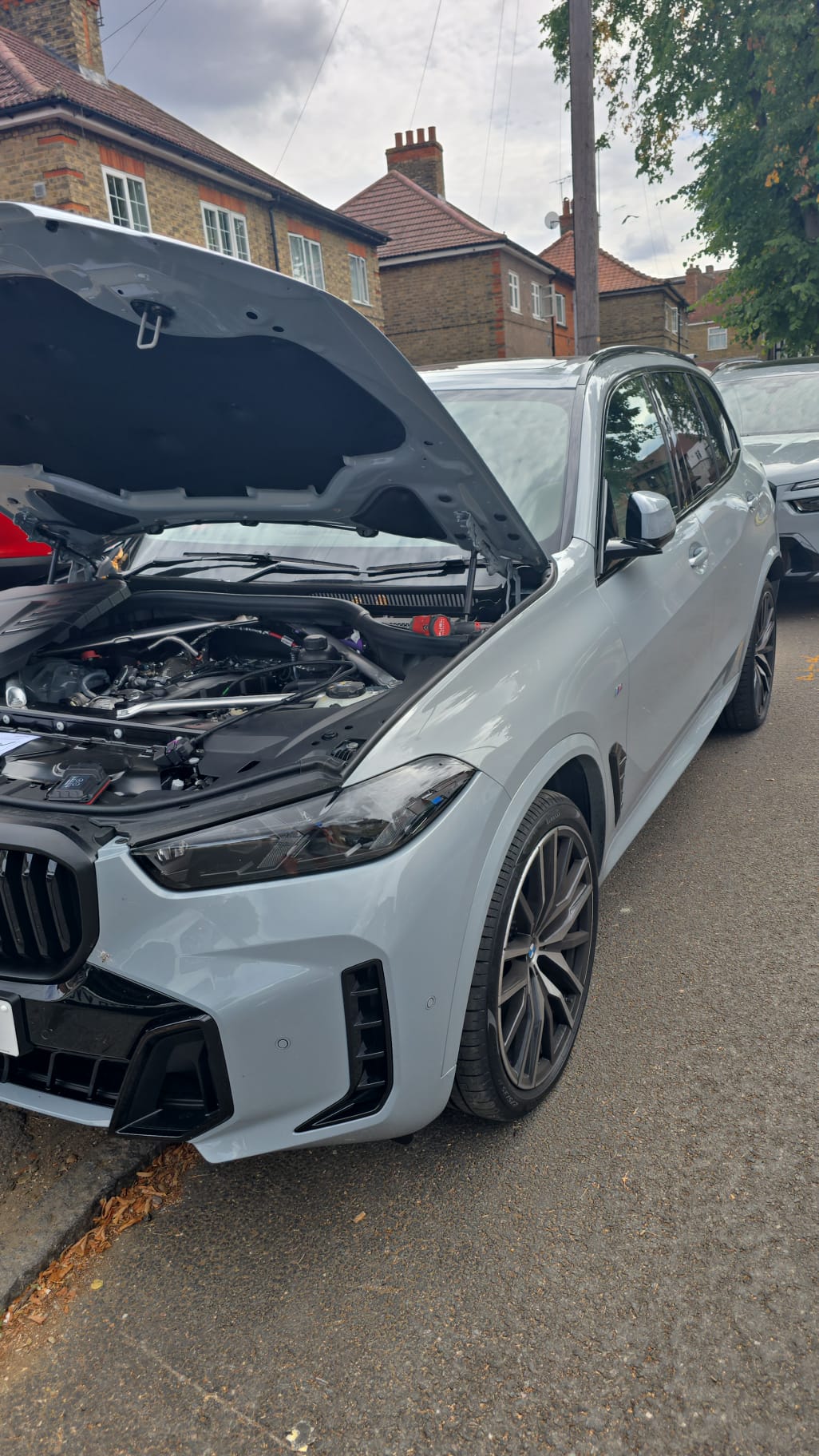
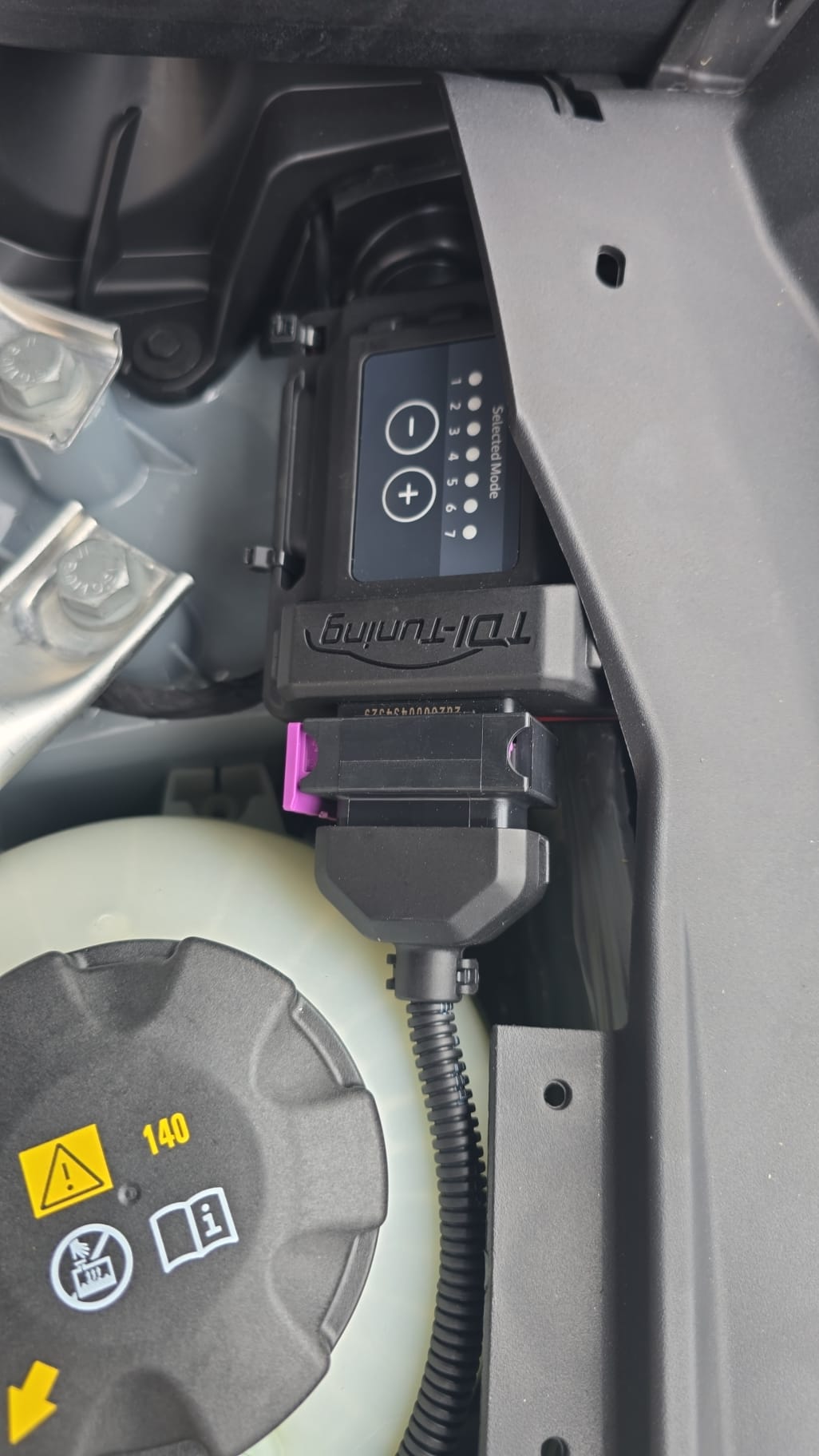
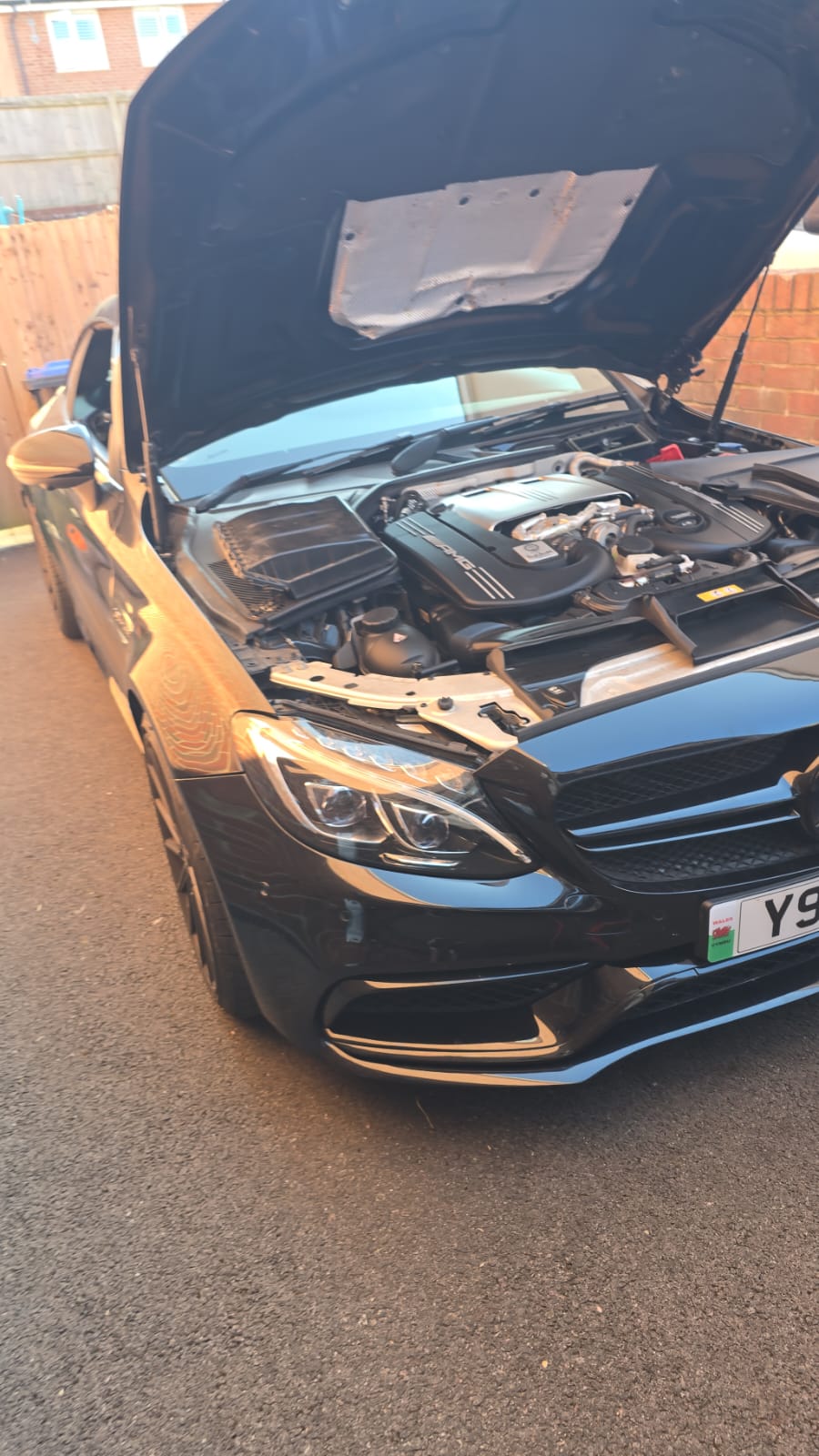
StageMyCar's tuning files are dyno-tested, written within manufacturer hardware tolerances and respect every safety system the OEM engineered into the engine, turbo, injectors, clutch and gearbox. Every file we flash is hardware-matched — a Stage 1 BMW B58 file is not the same file as a Stage 1 Audi EA888 file is not the same file as a Stage 1 Ford Ecoboost file. We do not run generic 'one map fits all' tunes pulled from forums.