

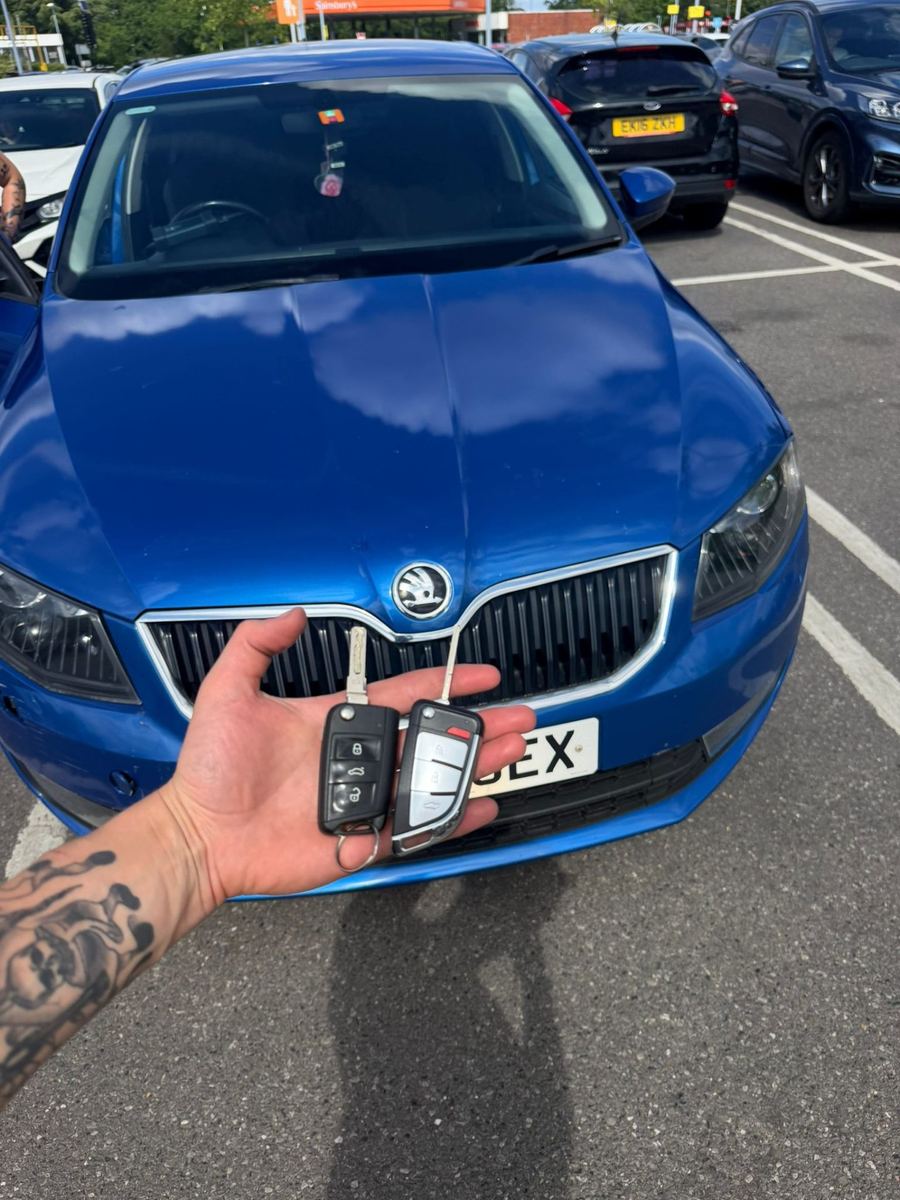


Skoda key programming in London: distinguish lost remote operation from a new-key request
The phrase key programming can describe several different expectations. You may want another key added, a remote control assessed after it stopped responding, or help understanding a recognition warning. For a Skoda key-programming enquiry in London, first state which problem you are trying to solve. A button fault is not by itself proof that starting authorisation has been lost, and a new battery does not turn every non-working fob into a programming task. This guide helps you describe the difference and agree an appropriate assessment. It does not establish support for a particular model, production period or key system; those details require confirmation against the actual vehicle.
Describe the intended result in ordinary language
Start with what you want to be different after the work. Adding another independently usable key, restoring remote locking on an existing key and investigating a failure to recognise a key are distinct objectives. If more than one applies, list them separately. Do not select a procedure because an online discussion used the word programming for a symptom that sounds similar.
Explain whether the vehicle currently starts normally and which key is being used when the complaint occurs. Include whether the problem affects every remote control or only one available item. These are useful observations, not instructions to replace a particular part. Ask the provider to explain the proposed task in terms of your stated objective. A clear description at the beginning prevents an enquiry about a control fault from turning into an unexamined assumption that the car needs another complete key.
Separate button operation from engine starting
Report locking, unlocking and starting independently. A key can have a remote-control complaint without losing the permission needed to start the vehicle, while a starting problem may exist even though its buttons operate. Do not infer the condition of every function from one successful action. If a dashboard message is involved, keep the exact wording and the circumstances in which it appeared.
Avoid repeated starting attempts simply to decide which label fits. If the engine behaves abnormally or another safety concern appears, stop and seek appropriate advice. The provider should know whether this is a functioning car with a remote complaint or a vehicle that currently cannot be used. That distinction affects the proposed assessment. It also helps you understand why a request to synchronise controls, supply another key or investigate a vehicle-side fault should not be treated as interchangeable work.
Explain what happened before the change
Useful history includes a dropped key, liquid exposure, a battery replacement, a period of storage or earlier repair work. Put the events in order without assuming the last event caused the fault. If you opened the case, say what was changed and whether small parts may be missing. Do not continue dismantling the key to make the story more definite.
If a battery was replaced, follow the handbook for any further handling and report whether remote operation or starting changed afterwards. A step described in an owner's manual should not be confused with adding a newly supplied key to the vehicle. Ask which type of work the provider believes is relevant and why. This avoids treating every post-battery complaint as an authorisation problem while preserving the history that may help a technician assess the actual item.
Need help with your car now?
A call-out fee applies; your quote confirms the full price.
Avoid experimenting with online security procedures
Instructions for a visually similar car may not apply to your vehicle or key. Do not alter security settings, connect unfamiliar equipment or attempt a sequence intended to associate an unknown fob. Describe any procedure already attempted and the observed result honestly. Concealing a failed attempt makes it harder to understand the current condition and does not improve the chance of a suitable next step.
The appropriate owner action is to consult the handbook for normal operation and provide an accurate enquiry. Leave vehicle-specific preparation methods to an authorised assessment. A general guide cannot establish the correct electronic route from a badge or case photograph. Ask the provider what they need to confirm before accepting the task. This keeps the focus on legitimate repair or supply rather than trying an accumulating list of unverified instructions that may change the situation without resolving the original complaint.
Identify the vehicle and each proposed key
Supply the requested registration and vehicle details through the normal private enquiry channel. Describe each available key and distinguish a working original, an additional remote that has never worked and an item bought separately. Do not call an unverified purchase a spare simply because it was advertised for Skoda vehicles. Its suitability and preparation status require their own confirmation.
Ask whether a supplied key is included in the proposal or whether the provider is being asked to assess a customer-supplied item. Where key history is uncertain, say so. Do not infer electronic specification from the outside of a replacement shell. The purpose of identification is to tie the proposed work to the actual car and item, not to create a general compatibility statement. If the provider needs further assessment before confirming acceptance, treat that as a decision point rather than assuming the work has already been approved.
Agree authority, attendance and retained-key arrangements
For a London enquiry, provide the location where the vehicle will actually be available and explain any access restriction privately. Ask which ownership and identity documents are needed and who must be present to authorise the work. If you are arranging it for someone else, establish your role before an appointment is made. Possession of a fob should not be treated as the whole authorisation process.
Ask whether all retained keys need to attend and what the proposed work means for their continued operation. If another driver holds one, arrange its availability instead of assuming it will be unaffected. Explain any missing key separately from the remote complaint. That introduces a distinct security question that may change the scope. Clear attendance arrangements connect a legitimate instruction with the right vehicle and keys, and they reduce the risk that essential information only emerges after work has been planned.
Need help with your car now?
A call-out fee applies; your quote confirms the full price.
Set a clear boundary between assessment and programming
Ask what the initial instruction covers and what evidence would justify additional work. A provider may need to assess a key or vehicle before deciding whether electronic preparation, repair or another diagnostic route is appropriate. Do not interpret an assessment appointment as a commitment that a particular procedure will be possible. Conversely, do not accept an unexplained expansion from a button complaint into replacement of unrelated components.
Request a plain explanation connecting findings to the proposal. If a vehicle fault is suspected, ask how it should be investigated and whether the key work should pause. If another key is being supplied, clarify the included functions and mechanical provision. Keeping these boundaries visible lets you authorise a specific outcome rather than the vague instruction to make it work by any means. It also creates a useful written baseline for judging what was completed at handover.
Verify the intended outcome without overlooking existing keys
At completion, ask for each agreed function to be demonstrated with the relevant key identified. Where another recognised key nearby could make a check ambiguous, ask how the assessment isolates the item being tested. A successful button command should not stand in for a separate starting check if starting authorisation formed part of the instruction. Likewise, a successful start does not demonstrate every remote control.
Confirm the status of retained keys and record any unresolved complaint. If the original problem was intermittent, distinguish a successful observed check from a claim that recurrence is impossible. Keep the work description and report any return of the symptom with the exact function affected and key used. This provides a sensible follow-up path. It is more useful than assuming that a task labelled programming necessarily replaced electronics, repaired damage and resolved every vehicle-side concern at the same time.