

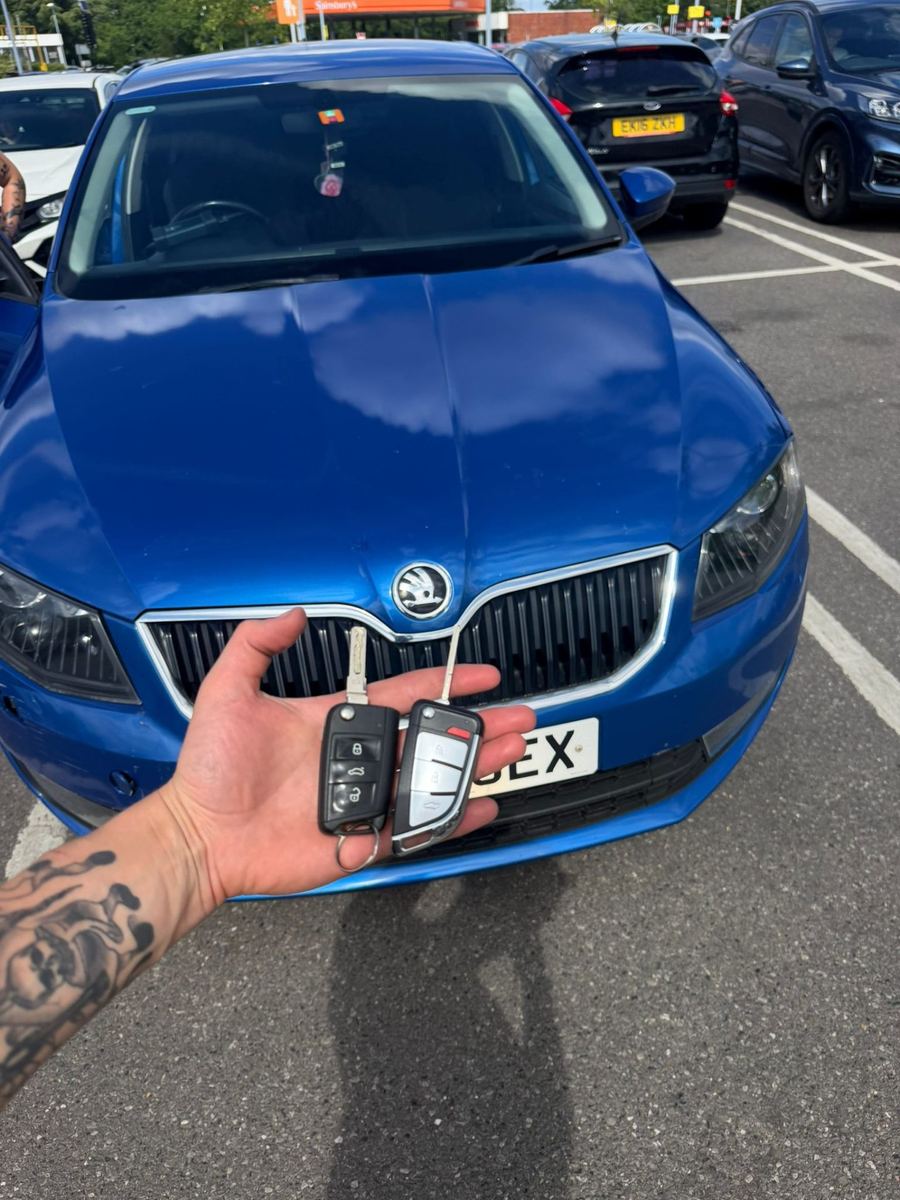


Audi Key Programming: Compatibility, Preparation and Key Checks
Audi key programming is about matching the correct key to the vehicle's security system, not simply making the remote buttons work. A key can unlock a door yet remain unauthorised to start the engine; another can start the car while its remote functions need separate attention. StageMyCar accepts Audi programming enquiries, with the available route confirmed against the exact vehicle, key type and existing key situation. This guide explains what to supply, why compatibility matters and which checks belong in a properly scoped enquiry. A call-out fee applies; your quote confirms the full price.
What Audi key programming actually changes
An Audi key may combine a mechanical blade, an immobiliser credential and radio controls for locking. On a proximity system, access and starting also depend on the vehicle recognising the key in the appropriate location. These functions interact, but a fault in one does not prove that all of them need replacing. Describe exactly what works rather than asking only for a key to be recoded.
Programming authorises a compatible key within the vehicle's security arrangements. Remote synchronisation, blade cutting and repairing an ignition lock are different tasks, even where they form part of the same enquiry. A replacement shell does not itself create a recognised spare, and transferring electronics carries its own compatibility questions. The proposed work should identify which functions are being addressed and which existing parts are being retained. This helps distinguish a complete replacement key from a repair to the key you already own.
Confirm compatibility with the exact Audi
An Audi badge and model name are not enough to establish programming support. Registration, model year, ignition arrangement, key design and the fitted security system all matter. Vehicles that look alike can use different generations of electronics. Previous module replacement or imported specifications may add further uncertainty, so disclose anything unusual rather than relying on a photograph of a similar car online.
Send the registration and, if requested through an appropriate channel, identifying vehicle details that help confirm the configuration. Explain whether the car has an ignition barrel or a start button and whether any key still starts it. StageMyCar should confirm the available service for that exact vehicle before work is agreed. Do not interpret a reference to an Audi range or a key-system family as confirmation that every version is supported. Some security configurations may need a different specialist route rather than mobile programming.
Adding a spare when a working key exists
A working key is useful evidence during a spare-key enquiry, but it does not make every blank suitable. The replacement still needs the correct electronics and blade specification, and its eligibility for the required programming procedure must be checked. Keep the working key intact and available; taking it apart to compare components can create another fault that obscures the original request.
Tell the technician how many keys you have and which functions each performs. A key that starts the engine but will not lock remotely should not be described as fully working. Ask which keys must be present for the proposed procedure and whether any existing authorisations will be affected. The aim is to leave you with a clear understanding of each retained key, not just a remote that appears to respond. If you want a spare for another driver, explain that requirement when the job is scoped.
Need help with your car now?
A call-out fee applies; your quote confirms the full price.
When every key is missing
An all-keys-lost request is different from adding a spare because there is no working key available to demonstrate normal starting. Access, mechanical key requirements and security authorisation may all need consideration. State whether the vehicle is locked, where the missing keys were last accounted for and whether theft is suspected. Do not assume that gaining entry also resolves the immobiliser requirement.
Prepare evidence of identity and authority to request work on the car. If the ownership documents are inside it, explain that during the enquiry so acceptable verification can be discussed. For a leased, company or borrowed vehicle, clarify who can authorise the work. Ask whether missing keys can be removed from electronic authorisation on your specific system. Electronic deauthorisation and the ability of an old mechanical blade to operate a lock are separate issues; neither should be assumed from the other.
Separating a key fault from a vehicle fault
A key-not-detected message is a symptom rather than a complete diagnosis. A depleted fob battery, damaged key electronics, a vehicle battery problem or a fault in the car's recognition system may produce overlapping complaints. Note whether a spare behaves differently, whether the dashboard wakes normally and whether the problem followed water exposure, a flat battery or electrical work. Those observations help define the enquiry without dismantling anything.
Use only the owner's handbook procedure for any designated backup starting position. Repeated attempts, improvised wiring or random online coding instructions can complicate diagnosis. If both keys stop working together, a vehicle-side cause deserves consideration; it is not proof that both keys need replacement. Equally, a working remote does not establish that the immobiliser credential is healthy. Where symptoms point beyond the key, the appropriate next step may be vehicle diagnosis rather than authorising a new key immediately.
Supplied keys, used fobs and mechanical blades
A used Audi fob may look correct while being unsuitable for reuse on another vehicle. Part identification, radio specification and the security state of its electronics can matter as much as its external shape. A seller's compatibility list is not a substitute for checking the exact car and proposed procedure. Before buying a key yourself, ask whether customer-supplied parts can be considered and what information is needed.
Mechanical blade requirements should be discussed separately from electronic programming. A blade may be absent from a smart key or present but incorrectly cut. Conversely, an accurately cut blade can open a door without authorising engine starting. If the original blade is bent, worn or snapped, mention that condition rather than copying its appearance as evidence of a correct specification. Ask what checks will establish that the emergency mechanical function works, where that function is fitted and included in the agreed work.
Need help with your car now?
A call-out fee applies; your quote confirms the full price.
Preparing the vehicle and agreeing the scope
Provide the car's location, parking restrictions and access arrangements without assuming that every setting is suitable for programming. The vehicle may need safe access and a suitable electrical supply arrangement for the chosen procedure. Report battery concerns, aftermarket alarms, trackers and any recent replacement of security-related modules. These details can affect the assessment even when the key itself looks undamaged.
Ask for the proposed work to distinguish supplied parts, blade work, electronic authorisation and any separate diagnostic investigation. Clarify what happens if the vehicle's configuration differs from the information initially supplied, rather than treating every additional symptom as included automatically. Keep photographs focused on the key and relevant warning display; avoid sharing ownership documents or security information in public messages. The enquiry should establish an authorised, technically appropriate route, not encourage attempts to bypass the car's protection. Availability and exact-vehicle support remain subject to confirmation.
Checking the result and keeping useful records
Where the agreed work proceeds, discuss checks for the functions actually included: mechanical access, remote locking, recognition and engine starting as applicable. Present all keys requested for the procedure and establish the status of each afterwards. A brief button press is not evidence that every feature of a proximity key is operating correctly, particularly if an original symptom was intermittent or affected only starting.
Keep the supplied key identification and the description of work with your vehicle records, without storing sensitive security information in the car. If a key later behaves differently, record the warning message and which functions still operate rather than assuming programming has been lost. Avoid exposing fobs to moisture or physical strain, and follow the handbook for battery replacement. For another driver or a future spare, use the confirmed vehicle specification as the starting point for a fresh compatibility enquiry, not as a blanket promise about any visually matching key.