

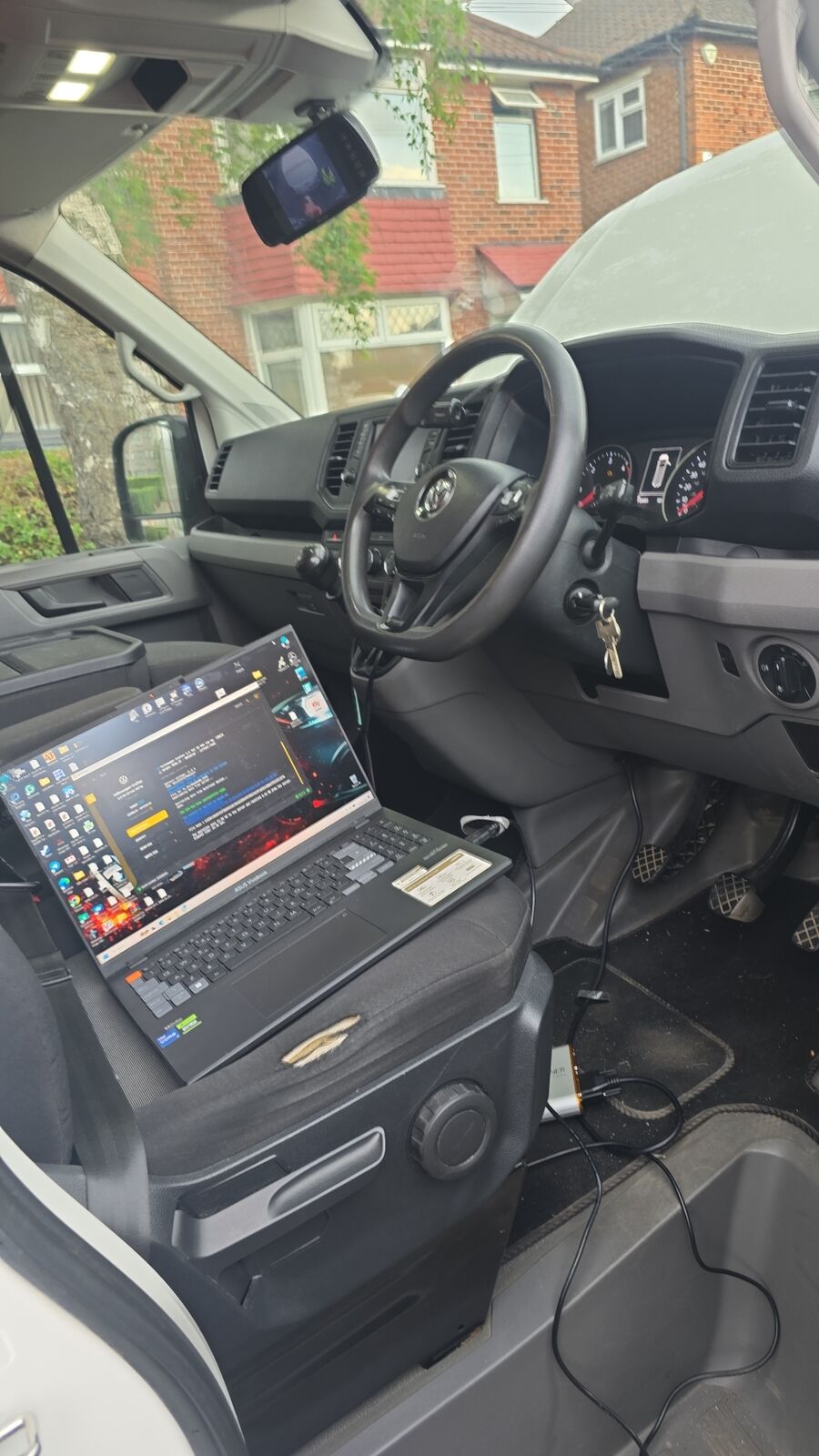


Audi Stage 1 enquiries: identify the car, define the goal, prepare the appointment
An Audi Stage 1 enquiry is most useful when it describes the actual car and the change you want in everyday driving. A familiar engine badge, an online graph or a result from a similar model does not identify the controller software fitted to your vehicle. Begin with the registration, transmission, fuel and known modifications, then explain any existing warning or drivability issue. The following preparation keeps a performance request separate from a repair and gives the quotation a clear vehicle-specific scope. It does not change the registration lookup or claim support for an unverified model or year.
Engine badges do not identify every calibration detail
Two Audis with the same engine badge can have different control-unit software, transmission arrangements or factory configurations. A badge is useful descriptive information, but it is not a complete technical identification. Give the registration and any engine details you know from reliable vehicle paperwork rather than guessing the specification from an advert. If you bought the car used and its history is unclear, explain that uncertainty. Information about an earlier controller replacement or dealer software update is particularly relevant to establishing the current starting point.
There is no need to dismantle the car to start an enquiry. State what you know and distinguish it from assumptions. Controller identity and the available programming approach are checked for the actual vehicle before work is confirmed. An enquiry based on a comparable car can describe a preference, but it should not be treated as proof that the same file or process belongs on yours. This distinction protects the clarity of the quotation and the intended work.
Describe the driving change without disguising a fault
Explain whether the aim is a different throttle feel, more flexible delivery or a change in how the car responds under ordinary load. Those descriptions establish a useful conversation without making a peak figure the whole specification. Also say whether the car hesitates, misfires, shows a warning or enters a reduced-power mode. An existing symptom is not automatically a tuning opportunity. It may need diagnosis before a calibration discussion can proceed, and the inspection and performance request have different scopes.
Keep the circumstances of a fault specific: cold or warm, gentle driving or acceleration, intermittent or continuous. Record the dashboard message rather than translating it into a guessed failed part. If the car is unsafe or running badly, do not continue testing it to collect more examples. Accurate observations from an ordinary journey are enough to begin the assessment. A healthy starting point and a clearly described goal make it easier to discuss the appropriate work for an eligible vehicle.
Include the gearbox and any existing transmission concern
Audi transmission descriptions form part of a remap enquiry because engine torque delivery and transmission behaviour interact. Provide the gearbox type if known and mention any slipping, harsh engagement or warning message before software work is considered. A transmission fault should not be hidden behind a request for a more responsive engine. Clutch or gearbox condition can affect the appropriate next step even when the engine itself appears to run normally. Avoid choosing a calibration on the assumption that a gearbox badge proves a particular capacity or controller arrangement.
Describe the current driving behaviour rather than requesting a generic stronger setting. If a separate transmission calibration has already been applied, include that history. The enquiry can then distinguish the existing configuration from a proposed engine-only change. Compatibility is considered against the actual vehicle and its software. A quotation is clearer when it explains which work is being discussed, instead of treating engine and gearbox programming as an unspecified bundle. Additional work needs its own confirmed scope before proceeding.
Need help with your car now?
A call-out fee applies; your quote confirms the full price.
List the hardware that is actually fitted
Provide a straightforward list of known modifications, including relevant intake, exhaust or cooling changes. Keep verified hardware separate from something a previous owner said might have been fitted. A stage label does not establish the car's configuration and should not replace a description of its parts and current software. Where an invoice or previous work record exists, mention that evidence without sharing personal paperwork publicly. If the car seems standard but its history is uncertain, say so rather than describing the configuration as confirmed factory specification.
This information helps the enquiry address the vehicle as it stands. It also prevents a request for software from silently becoming a request to accommodate unknown hardware. The appropriate approach depends on eligibility, vehicle condition and the actual setup. If further inspection is needed to establish the configuration, that should be identified before programming is agreed. A good initial account can be short and factual: registration, gearbox, normal fuel, known parts, previous software work and the intended driving change.
Keep fuel and service condition in the conversation
State the fuel normally used and whether there are unresolved maintenance concerns. Routine servicing and calibration are different jobs; a tune should not be presented as a repair for neglected service items, fluid loss or an unexplained noise. Mention current warning lights, unusual smells and any recent repair that changed the car's behaviour. If a problem needs assessment first, keep that request explicit. Clearing a code or ignoring a symptom does not establish that the engine is ready for performance work.
The owner-approved wording for figures remains: final figures depend on ECU software, fuel, vehicle condition and hardware. That statement describes the factors relevant to the actual car rather than offering an unsupported model-wide result. Vehicle-specific eligibility and the proposed scope should be clear before an appointment is confirmed. There is no benefit in omitting a known concern to obtain a simpler quotation. A factual starting point allows diagnosis, servicing and calibration to be considered as separate decisions when necessary.
Prepare a suitable mobile working location
Give the location where the Audi will actually be parked for the appointment, not only its registered address. Explain any barrier, access gate, managed parking restriction or requirement for permission to work. A vehicle in a narrow or restricted bay may need a different arrangement from one in a clear private space. Do not assume that a covered postcode proves every parking position is suitable. The planned work needs the car to remain accessible for its preparation and checks, rather than being moved partway through the appointment.
Location planning is practical information, not a promise about attendance. Availability and arrival estimates are confirmed when you request a quotation. If the vehicle belongs to an employer or is subject to a separate vehicle agreement, establish the relevant authority before software changes are booked. Questions about an insurance or lease contract belong with that provider. The mobile quotation can describe the service scope, but it cannot decide the terms of a contract held with another organisation.
Need help with your car now?
A call-out fee applies; your quote confirms the full price.
Agree how the requested change will be assessed
A calibration appointment should have a clearly described goal and appropriate checks, not merely a file name. Explain the behaviour you want reviewed and identify any concern already recorded before the work. The starting configuration matters when interpreting what changed afterwards. If you expect a particular function to behave differently, raise that expectation during the enquiry so it can be considered against the eligible system. Avoid treating a marketing graph from another car as the only acceptance criterion.
At handover, discuss the confirmed work and any checks that belong to it. Keep existing faults distinct from the requested performance outcome. Retain the record of the appointment with the car's service and software history, especially if a later dealer update or controller replacement occurs. That record helps future enquiries establish the current configuration. A change in software does not replace ordinary maintenance or fault diagnosis; the appropriate next step still follows the symptom and condition of the vehicle.
Questions to settle before confirming the quotation
Is this a first remap or a review of previous work? Is the car mechanically healthy, or is there a symptom that needs investigation? Which gearbox, fuel and known hardware belong to the vehicle now? These questions provide more useful context than a model badge alone. Keep the registration and factual history together so the quotation can identify the intended work without a broad claim about every Audi variant. A call-out fee applies, and the quotation confirms the full price for the agreed scope.
If you also need diagnostics or transmission work, ask for those requests to be considered explicitly rather than assuming they are part of the same price. A visit charge is not credited against a later repair. Eligibility, parking access and availability still need confirmation even when the town appears in the coverage directory. With those details settled, a performance enquiry can remain focused on the actual car, the desired driving behaviour and the work that has been agreed.